🚜 Early Roots (1868–1881): Life Before the Railroad
Before the town of Holstein existed on the map, pioneer farmers were already preparing the land for what would become a thriving settlement. As early as 1868, settlers like Mr. and Mrs. Henry Thielmann established a combination saloon, blacksmith shop, and dance hall just northeast of present-day Holstein. This lively hub became known as the “German Settlement.”
One of the most influential early settlers was Jochim Thode, who arrived in 1876 from New Holstein, Wisconsin. Along with other German immigrants, he brought with him the values, work ethic, and traditions that would shape the identity of the community.
🚂 The Town is Born (1882): The Coming of the Railroad
In 1882, everything changed with the arrival of the railroad. As tracks were laid through the region, it became clear a new town would rise. With the depot planned two miles from the German Settlement, Holstein was officially platted, and First Street was aligned parallel to the new tracks.
At the suggestion of Jochim Thode, the town was named “Holstein” in honor of the Holstein region of Germany—a tribute to the heritage of many local settlers.
🏘️ Boomtown (1883 and Beyond): A Thriving Frontier
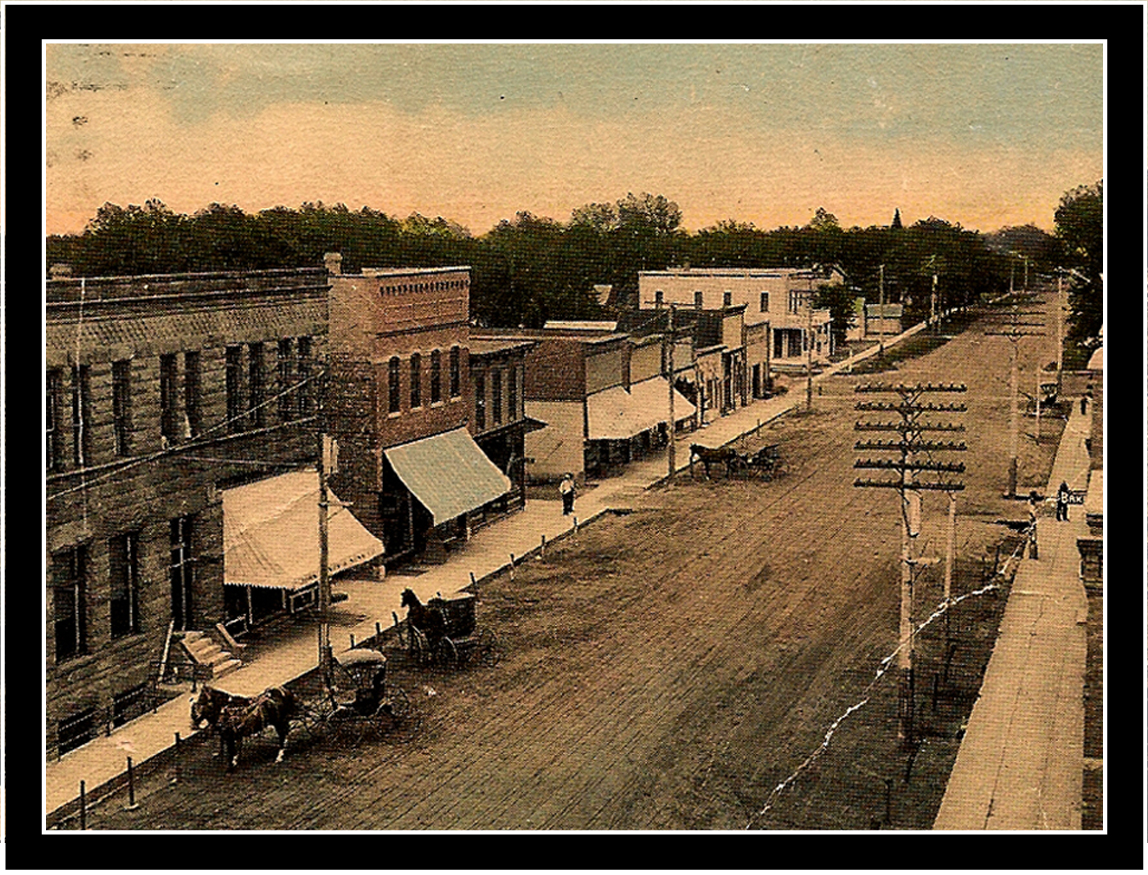
By 1883, Holstein had transformed from prairie grass to bustling town. Within a single year, the community featured:
2 hotels
6 general stores
4 elevators
4 lumberyards
2 blacksmiths
1 bank
3 doctors
1 roller rink
4 saloons
And much more
Holstein quickly became a commercial and social center for surrounding rural communities.
Heritage & Identity: A German Legacy
Many of Holstein’s first residents came from northern Germany, bringing with them a strong sense of community, craftsmanship, and culture. From language and food to architecture and values, this influence is still felt in Holstein’s traditions and civic pride.
🎖 Avenue of Flags: A Modern Tribute
In 2012, the town introduced the Avenue of Flags, an Eagle Scout project initiated by Michael Perrett with the support of American Legion Post 225. What began with 267 flags has grown to 449, honoring Holstein’s veterans. Each 5' x 8' flag, raised on 18-foot poles, is labeled with a veteran’s name, rank, branch, and service period.
The display is a powerful modern symbol of community pride and remembrance.
🗣️ Voices of the Past
“Small-town life is changing, but some of the qualities that were so important in nurturing me are still there in very real ways.” — Mary Knuth Otto, Holstein native, New York Times, September 25, 1988
Holstein continues to honor its past while building for the future. From the hardworking settlers who braved the prairie to the generations who shaped a town full of spirit and unity—this is our story.